Russian crafts, read slowly
The St. Petersburger
A heritage guide to the crafts that carried a city’s name into the world’s cabinets: nesting dolls and amber, painted wood and porcelain, wool and lace. What they are, where each style comes from, how a genuine piece announces itself, and what a copy usually forgets.
Understand · Recognize · Compare · Care
The six sections
From the lathe to the tea table, numbered as on a workshop shelf.
-
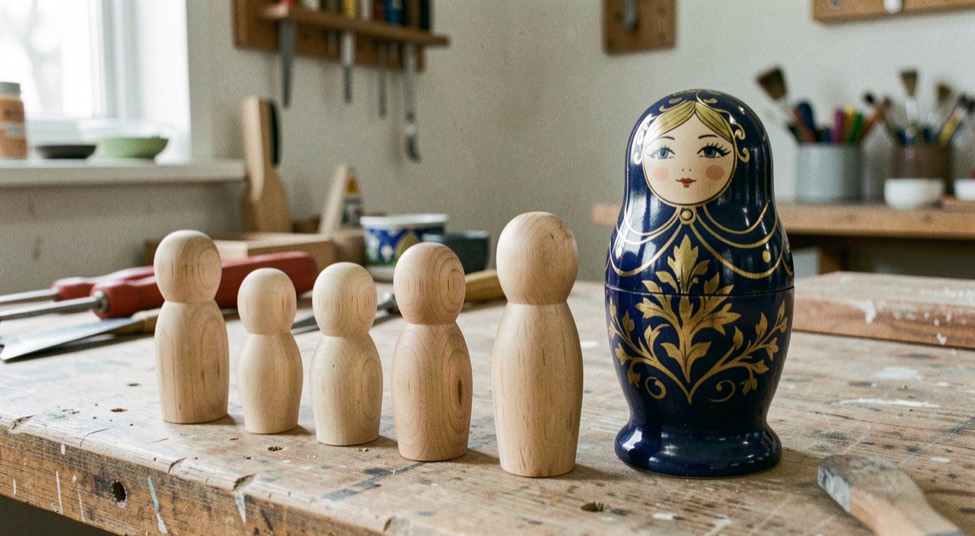
Matryoshka & Dolls
From Sergiev Posad workshops to Semyonov roses: a century of turning and painting, read through the piece itself.
-
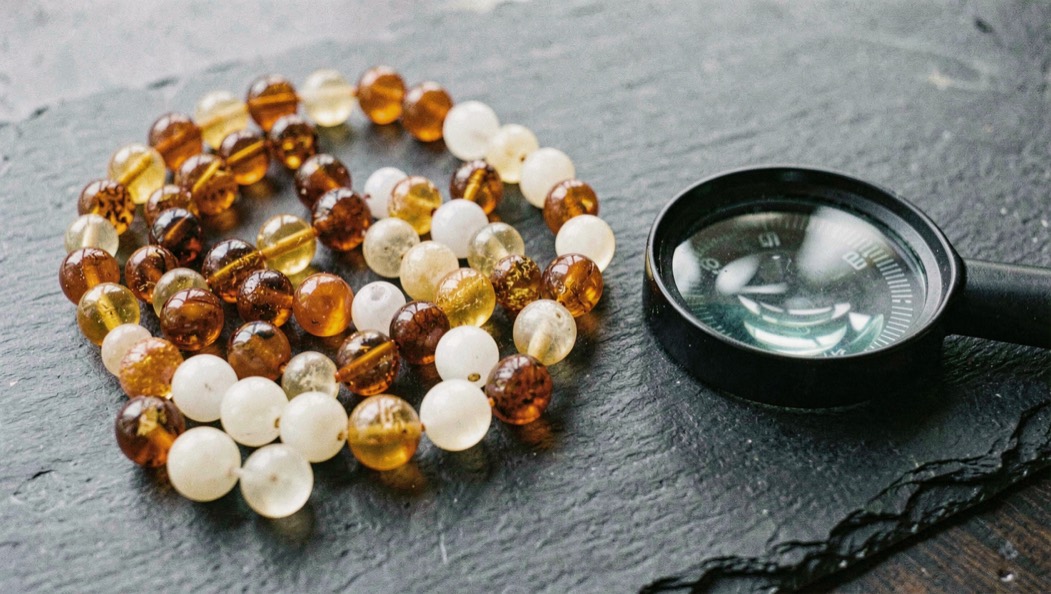
Amber & Jewelry
Forty million years of forest resin, one honest test at a time: succinite, pressed ambroid, copal and plastic told apart.
-
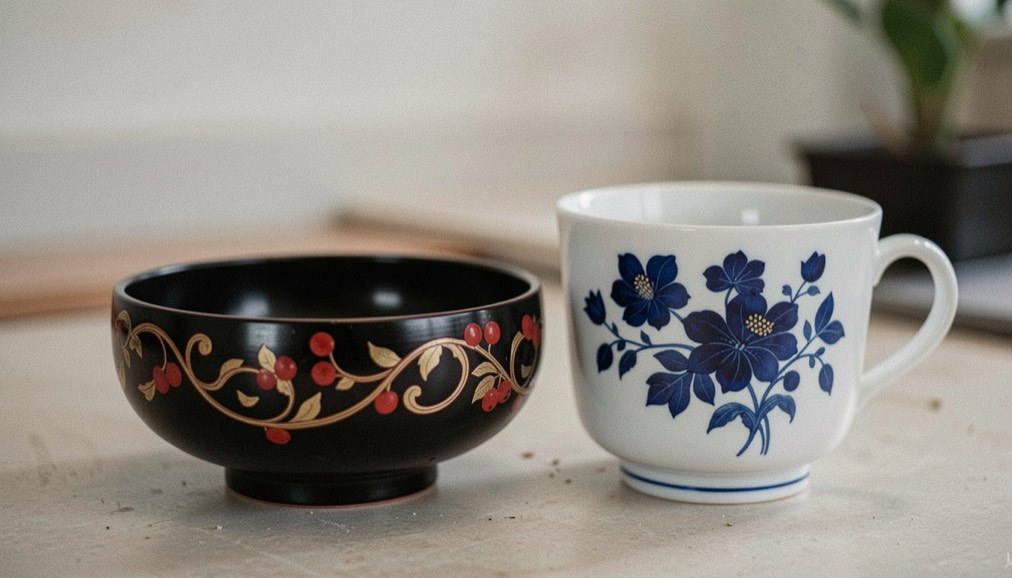
Painted Crafts
A brush, a kiln and three centuries: khokhloma’s fake gold, gzhel’s cobalt, and the miniature villages that never stopped painting.
-
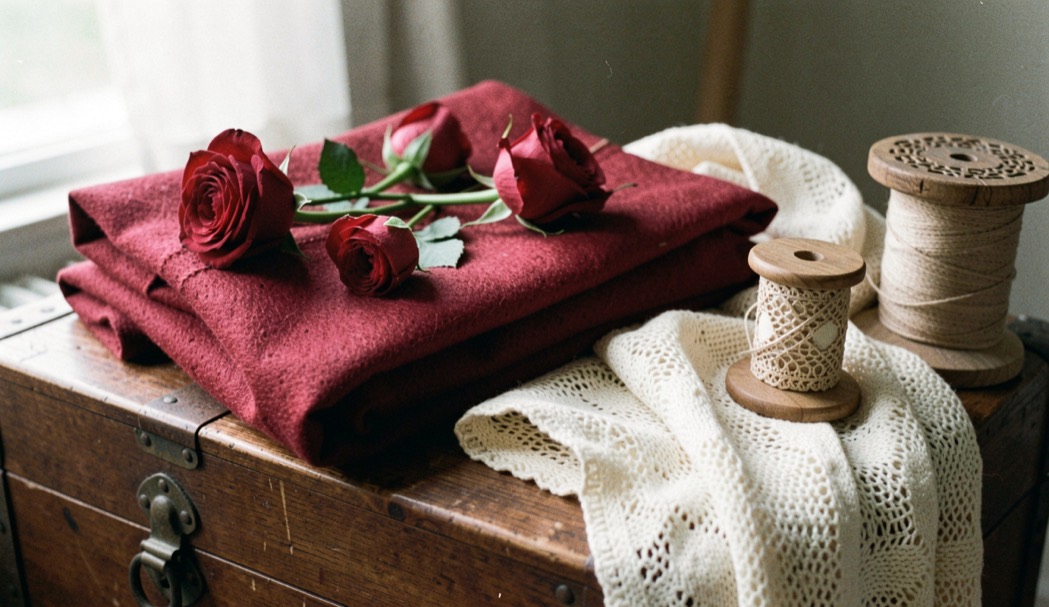
Textiles & Shawls
Wool you can read like a book, down light as breath, lace worked on bobbins: the textile trades of town and steppe.
-
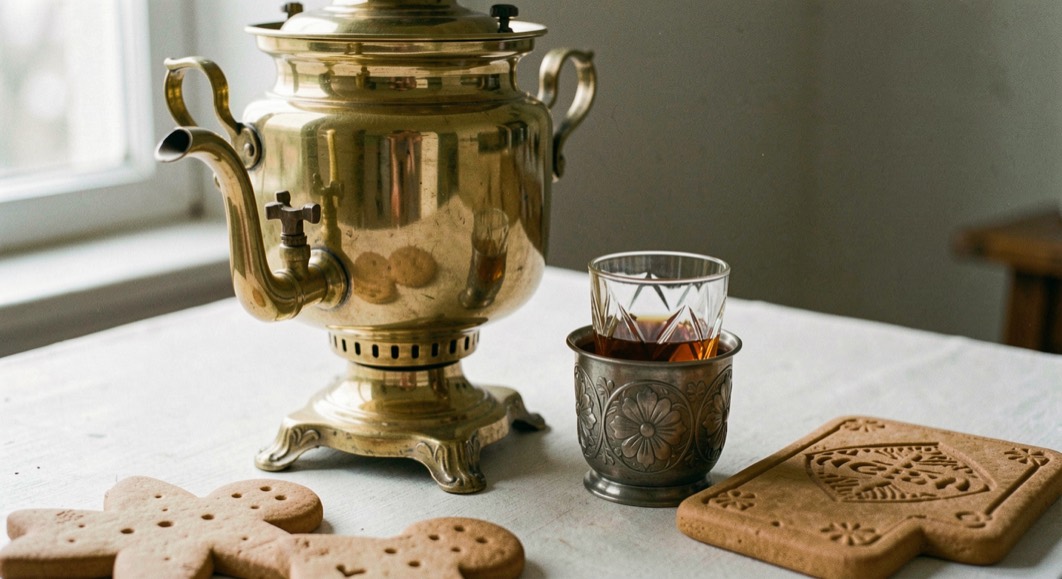
Food & Tea Gifts
A samovar at the center, printed gingerbread at the edge: the pantry crafts that carried domestic life, and their marks.
-
Buying Heritage Guide
The site’s spine: the tests, the history and the care rules that turn souvenirs into keepsakes worth keeping.
The dated register
New guides, latest first, as in a shop ledger.
-
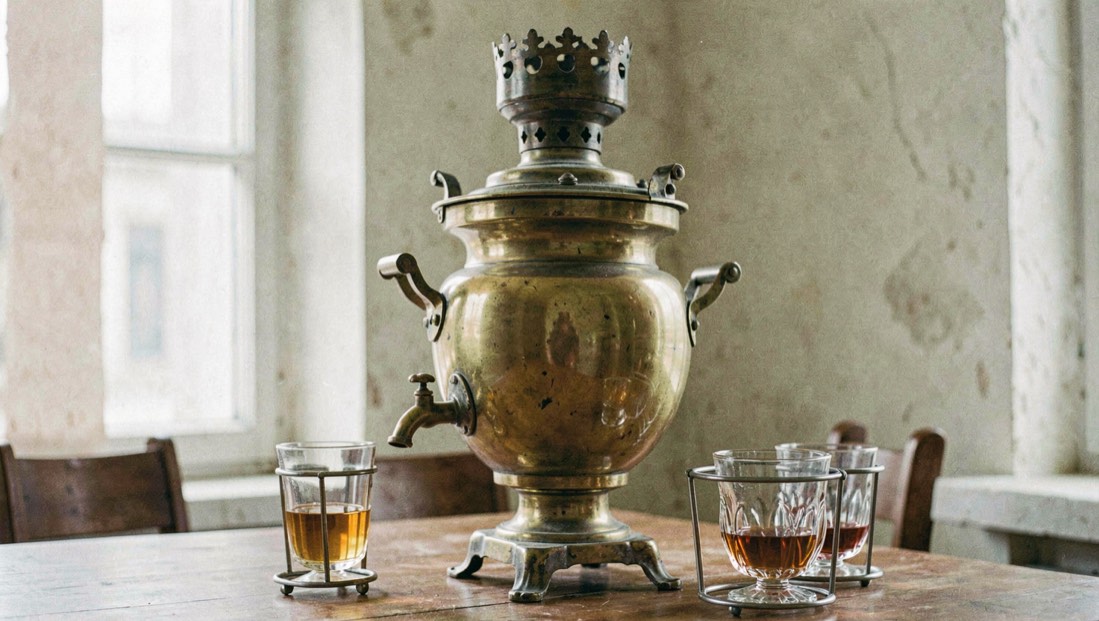
· Food & tea
The samovar and the tea table it built
A charcoal stove that pours: the samovar organized a whole domestic ritual, and its metals and stamps make it one of the most readable antiques.
-
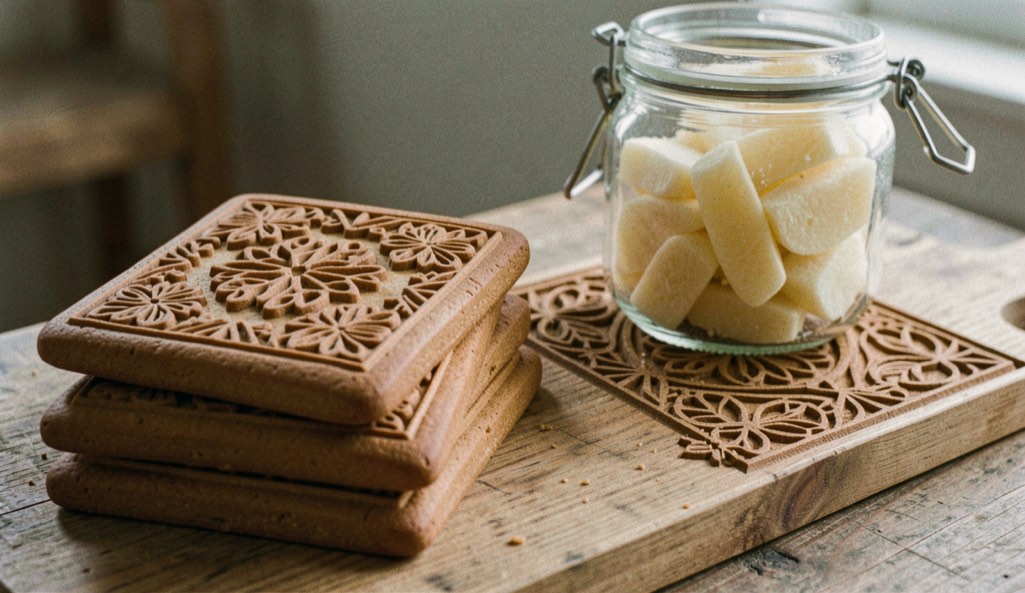
· Food & tea
Pantry crafts: pryaniki, pastila and the heritage shelf
The only crafts on this site meant to be eaten: stamped gingerbread, whipped apple pastila and pantry traditions that survived their own consumption.
-
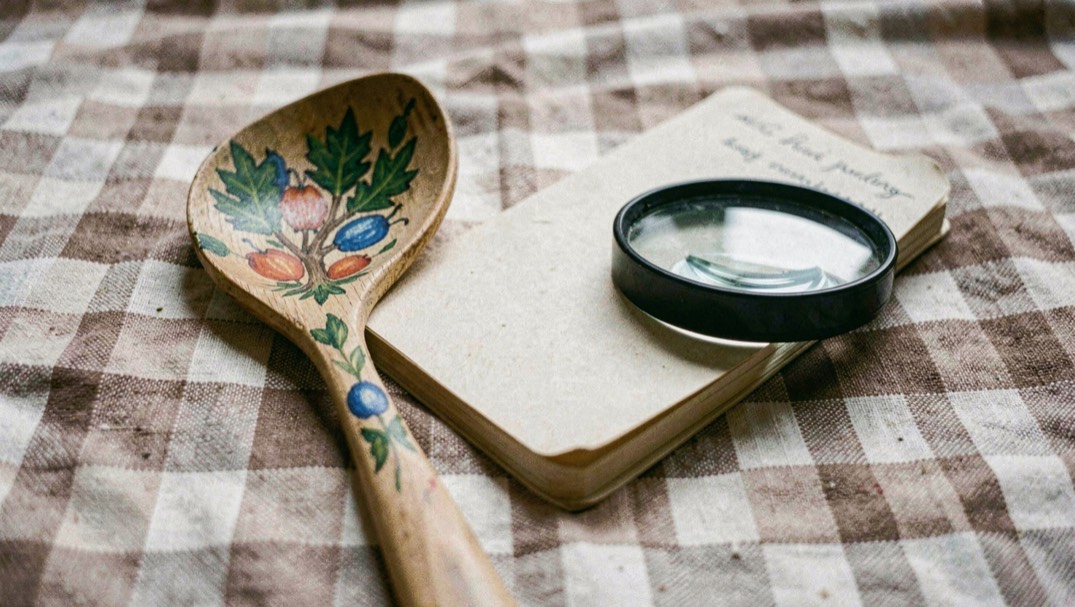
· Buying heritage
How copies fail: a cross craft guide to fakes
Every craft fails differently, but counterfeits fail the same: they print what should be painted, cast what should be carved, and story what should be documented.
-
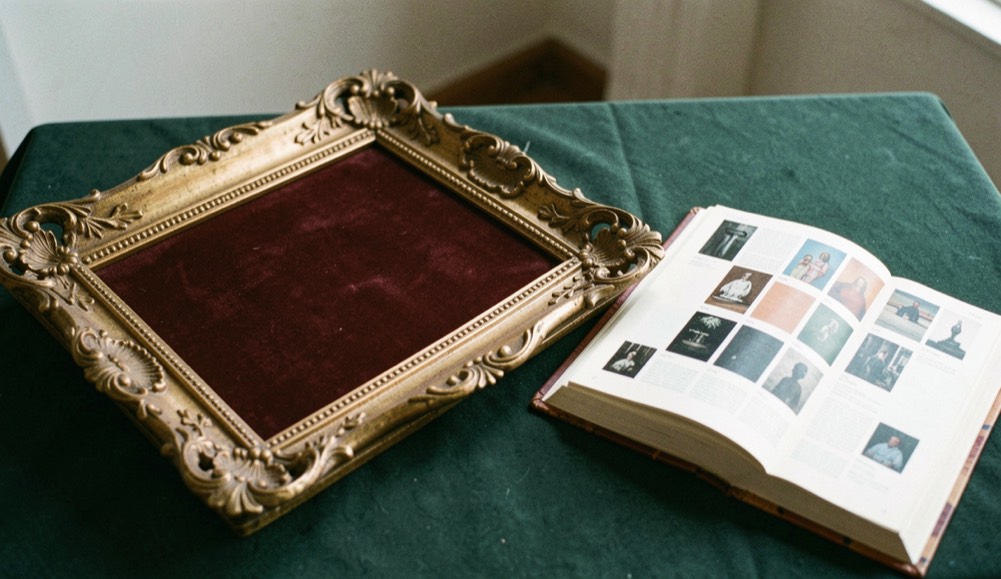
· Buying heritage
The Faberge imperial eggs, as documented
No craft story on this site is surrounded by more invention: the eggs deserve the discipline of the record, and the record is spectacular enough.
-
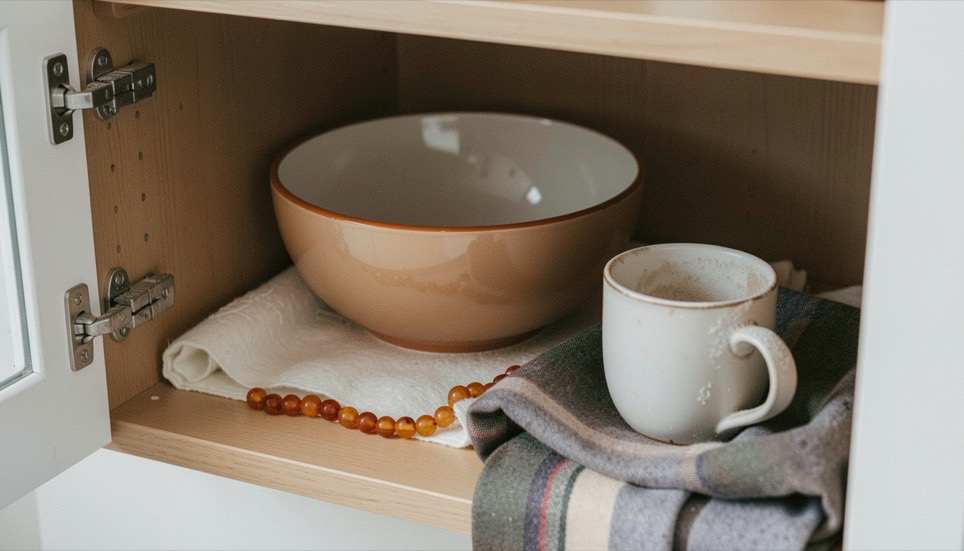
· Buying heritage
The care guide: keeping crafts alive at home
Most damage to genuine pieces happens at home, one kind gesture at a time: a dishwasher here, a sunny shelf there, a perfumed wrist.
-
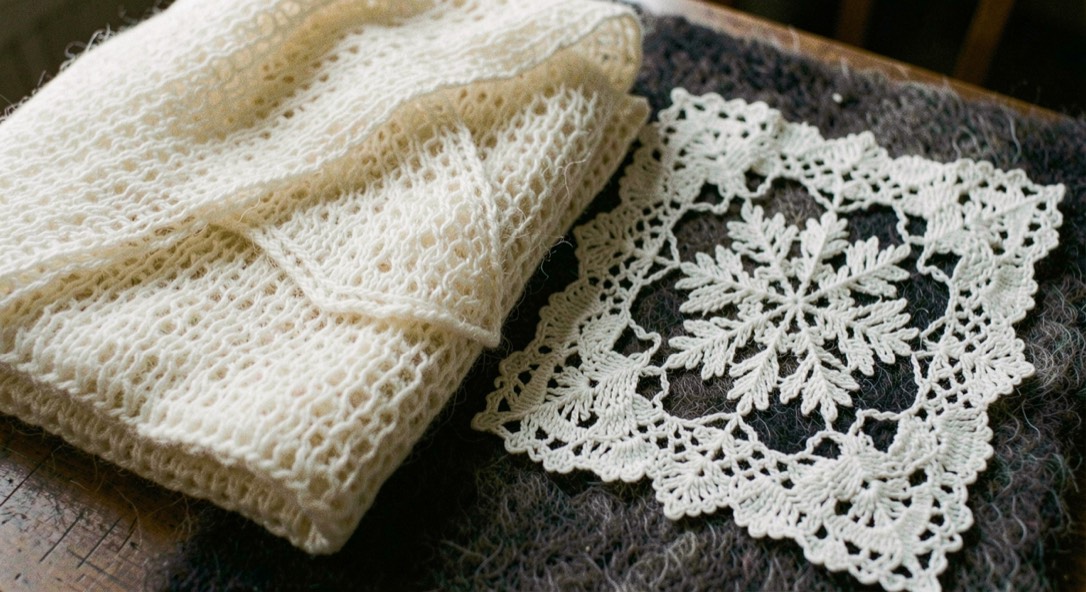
· Textiles
Down and lace: the steppe shawl and the northern braid
Two handmade textiles from the opposite ends of the country: gossamer down knitted in the steppe, and a lace braid winding through the northern snow.
-
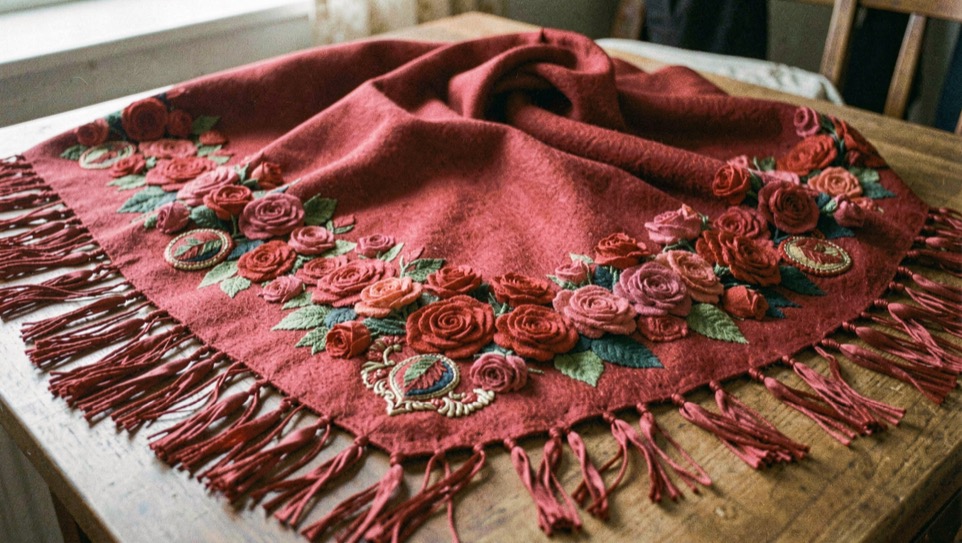
· Textiles
Pavlovo Posad shawls: reading the painted wool
A factory town turned flowers into a language: printed wool, silk fringe and borders dense enough to read across a room.
-
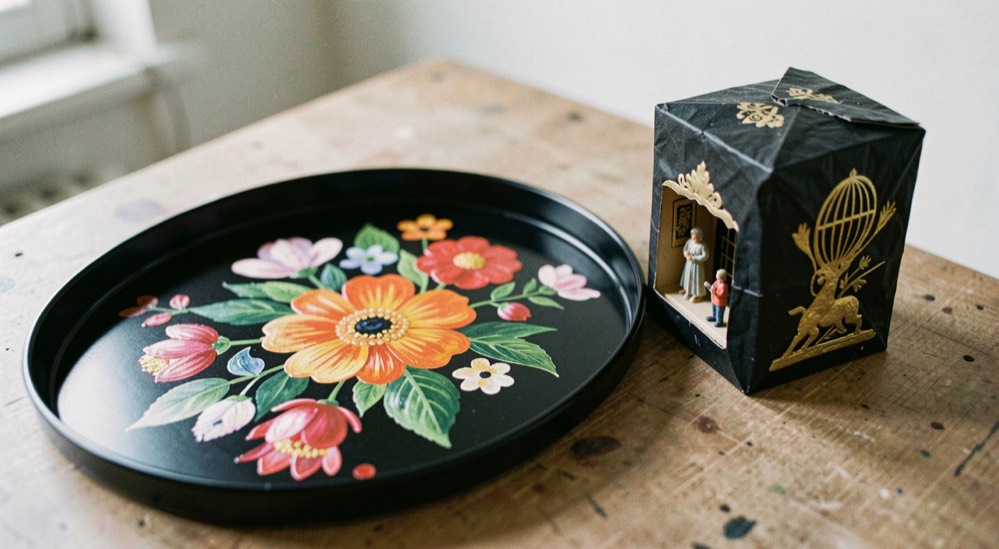
· Painted crafts
Painted trays and lacquer boxes: Zhostovo and the miniature villages
Two painted traditions on humble grounds: flowers on iron trays from one village near Moscow, and fairy tales in tempera on papier mache from four.
-
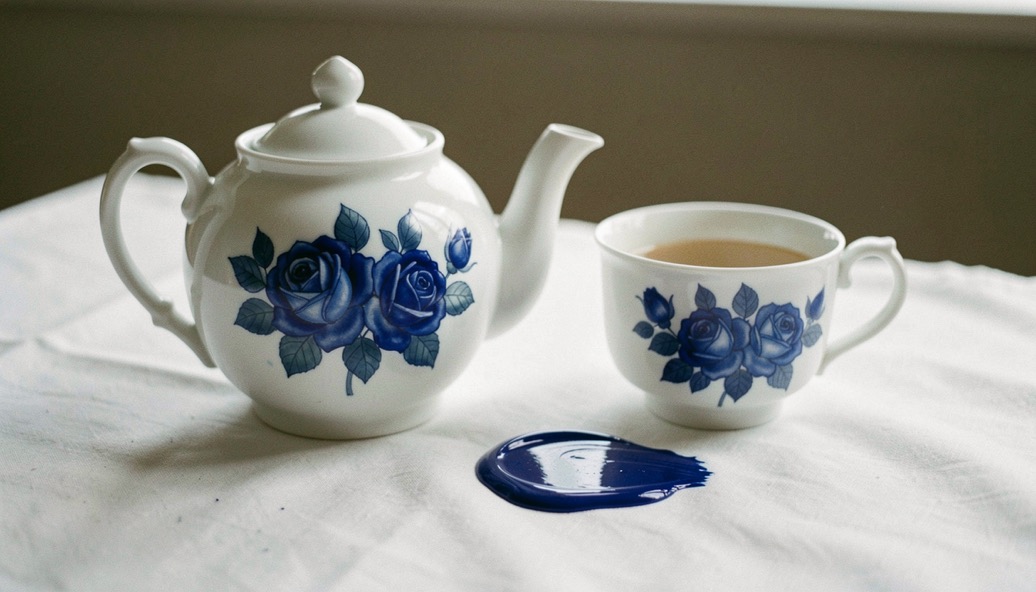
· Painted crafts
Gzhel: one cobalt, a dozen blues
The whole style is a single pigment handled like watercolor: cobalt on white, fired hard, and recognizable by a brushstroke no two of which match.
-
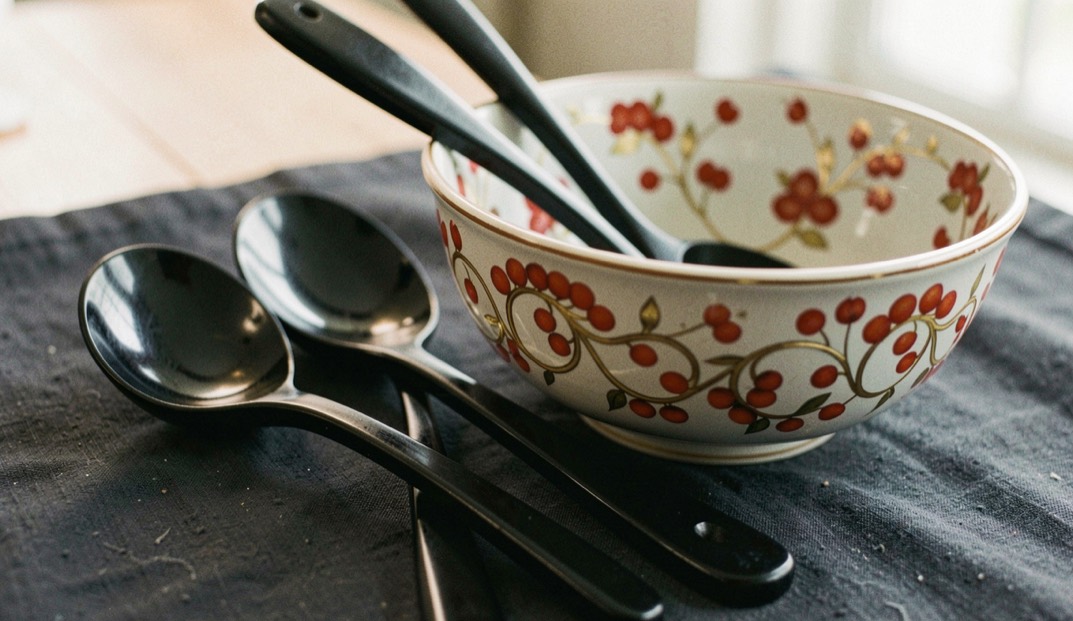
· Painted crafts
Khokhloma: how wood learned to shine like gold
No gold is used and everything shines: khokhloma is a chemistry trick, an icon painter’s inheritance and one of the great wooden crafts of Europe.
-
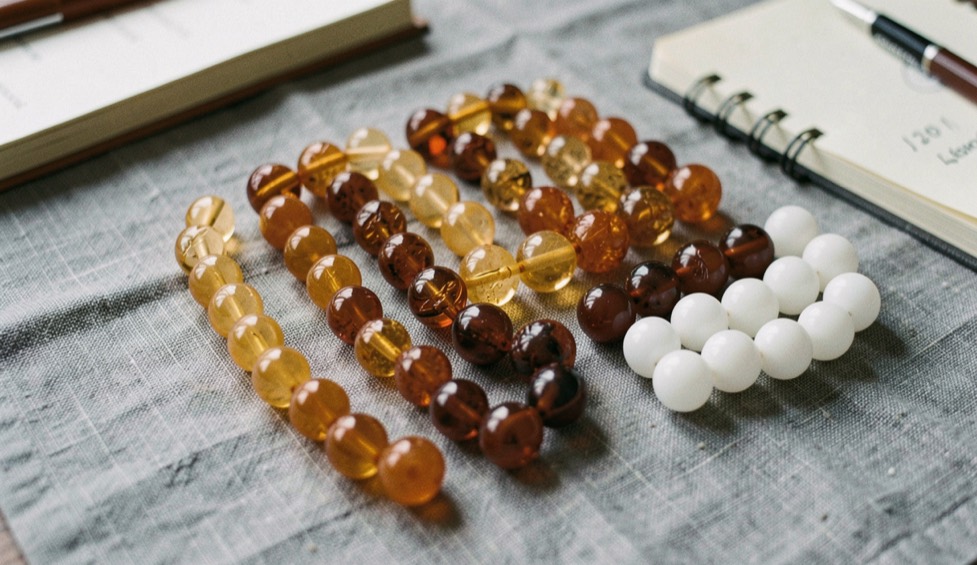
· Amber
Amber colors and grades, honestly priced
The palette is real chemistry and honest commerce: clarity, treatment and rarity set the grade, and the grade, not the story, sets the range.
-
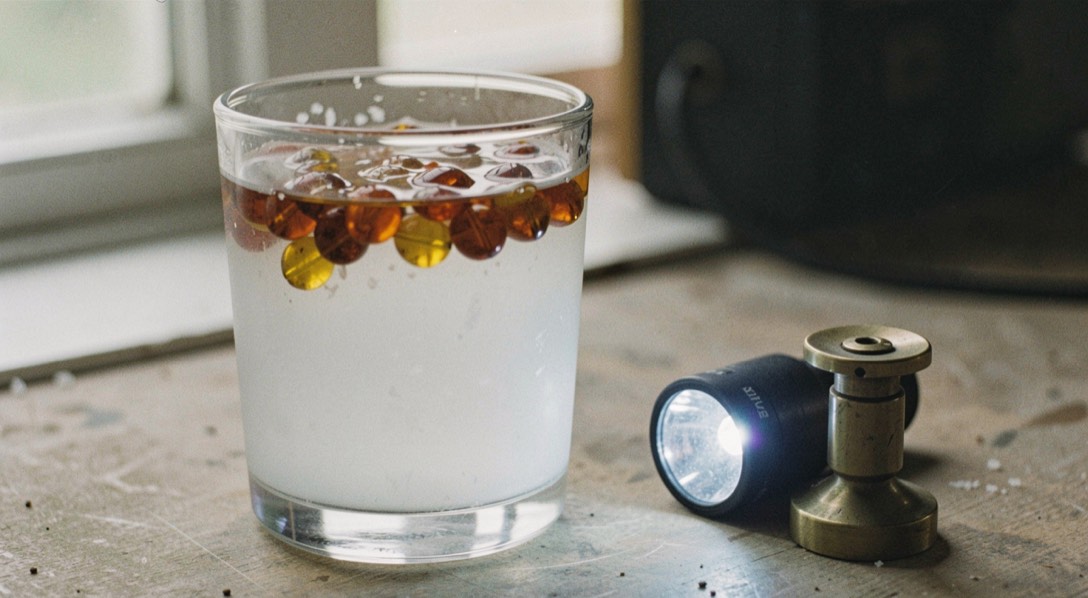
· Amber
Real or fake amber: the honest tests
No single home test settles amber, but a short sequence does: brine, ultraviolet light, smell and surface, each with its known exceptions on the table.
-
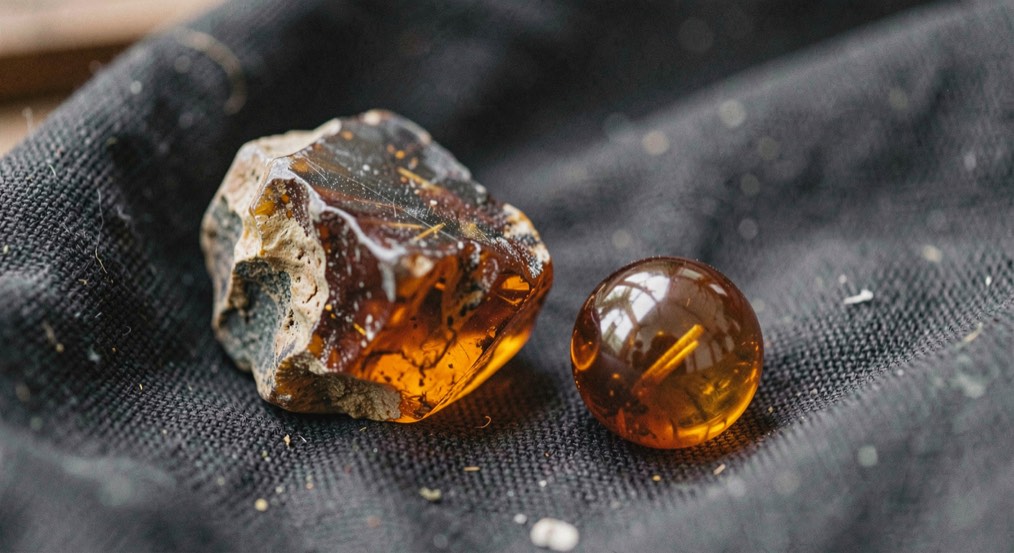
· Amber
Succinite: what Baltic amber actually is
Call it succinite and you have said something precise: a fossil resin of Eocene forests, loaded with the succinic acid that imitations cannot reproduce.
-
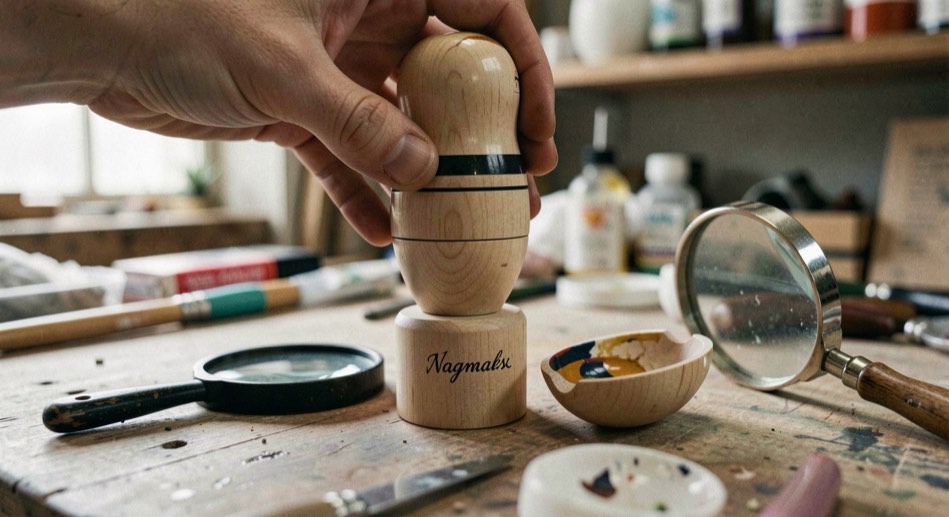
· Matryoshka
Genuine or souvenir: reading a matryoshka in hand
A nesting doll testifies on its own body: the wood, the seam, the varnish and the base each answer one question, and together they settle the price.
-
· Matryoshka
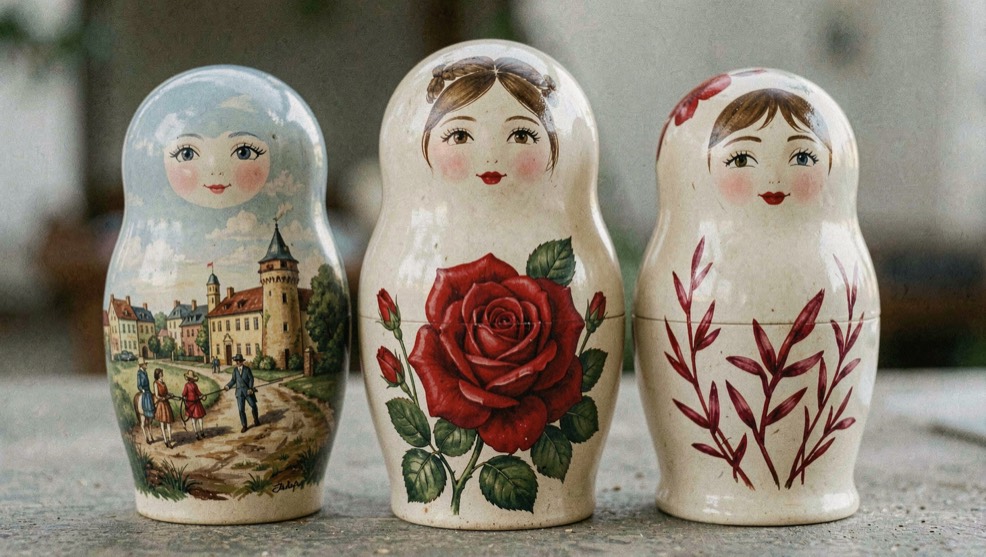
Three workshop styles and how to tell them apart
Same toy, three accents: the workshop towns never agreed on shape, palette or flower, and that disagreement is the collector’s best map.
-
· Matryoshka
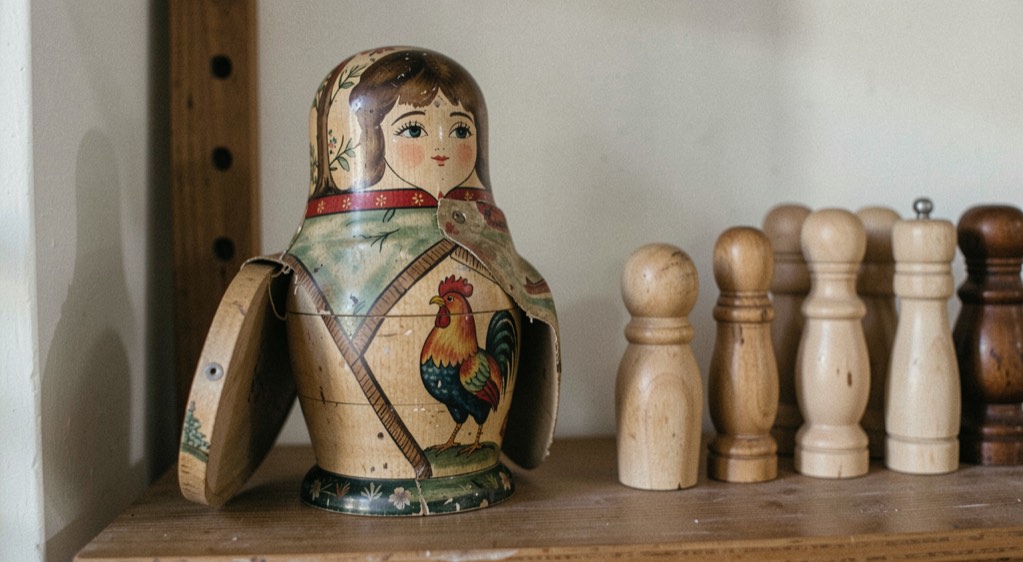
A short history of the matryoshka
It looks ancient and is not: the doll was born around 1890 from a turner’s lathe, a painter’s brush and a Japanese idea, and was world famous within ten years.
The St. Petersburger is written by a small desk of collectors and editors; the page about the desk explains how guides are prepared and corrected. Questions and corrections reach the contact page, and the site’s rules live in the editorial policy, which also covers how a sponsored contribution would be handled.